Are you considering starting a sweepstakes or promotion? Read this first.

It’s harder than you think! I’m considering starting one for my upcoming book The Secrets of Top Students: Tips, Tools, and Techniques for Acing High School and College and I highly recommend this checklist provided by Santella and Associates. It’s chock-full of information about what’s legal and what’s not. (Hint: most things are not technically legal.)

Here are some other good links:
Legal Issues Affecting Promotions and Sweepstakes
Social Media Promotions and the Law
How to run a website contest without going to jail. This one’s particularly useful for writers.

The galleys have arrived!

The Secrets of Top Students Galleys

There’s nothing like the moment when you see your first book in print! I just got five galleys (advance, uncorrected copies) in the mail today from my publisher, Sourcebooks EDU. It’s such a strange and wonderful feeling to see all your hard work finally coming to fruition.

The book’s coming out in May, but you can also pre-order it on Amazon here:
The Secrets of Top Students: Tips, Tools, and Techniques for Acing High School and College

Book Photoshoot – or, how I learned to channel my inner model

It’s been ages since my last post.  I’ve been working on my manuscript nonstop for the past few weeks, and the last thing I wanted to do at the end of each day was sit down and write a blog post.  But now the manuscript’s DONE – give or take a few edits – and I am submitting it to my editor on Monday.  I can barely believe I’ve written a book!!!  (For more info about Rise to the Top: The Valedictorian’s Guide to High School and College, click here.)

One thing I did make time for during my busy writing days was THE PHOTOSHOOT.  My publisher, Sourcebooks Inc., needs some pictures for publicity purposes.  By coincidence, a very talented photographer I know, Christopher Angello, asked if he could take pictures of me.  Perfect timing!  I had a blast being a model for a day – it was almost as much fun as writing.  After four locations and five wardrobe changes, here are the results.  Of course, not all of them are appropriate for a book, but I love the way came out.  Hope you enjoy them!


Give yourself the gift of great grades.  Order your copy of The Secrets of Top Students today!

Will We Be Publishing Books Written in Digital English Someday? (Guest Post)

I’m excited to introduce my first guest blogger, Alexa Russell.  In this post, Alexa writes about nothing less than the future of the English language.  While we need to recognize the importance of Internet English, we should be wary of relying on it too much.  What’s your take on the issue?  Should we embrace the patois of the digital age, or fight to keep ‘proper’ English alive?  Should digital English become part of what you actually learn in English programs?  Without further ado, here’s Alexa.

The digital migration brings millions of new users to the Internet daily, with even more returning day after day to their favorite informational resource. Not only do these individuals access countless stores of knowledge held on websites and databases, they also contribute to the Internet by publishing in the form of Twitter and Facebook updates and blog posts. Many of these publication forms champion cursory writing, and in response many Internet users have found ways to express themselves through acronyms or shortened words.

This has spurred a huge debate about the current state of the English language. On the one hand, many believe that the rules of grammar serve as the best way to express yourself and be taken seriously. Others, however, believe that these rules hinder actual communication and force people to follow archaic rules that are inefficient for the digital age. The point of using abbreviations or removing vowels from words, after all, is to communicate more quickly.

A January 2012 feature article published by Wired Magazine illustrates why we should embrace this digital form of English. As the headline announces, “Its Tyme to Let Luce” with the rules of casual conversation. “English spelling is a terrible mess anyway,” writes Anne Trubek, “full of arbitrary contrivances and exceptions that outnumber rules. Why receipt but deceit? Water but daughter?”

Efforts to stem the digital corruption of English only get in the way, Trubek argues. Autocorrect software, which attempts to make sense out of misspelled words, both purposefully and not, often further complicates intended meanings by correcting to the wrong word.

Even colleges and universities, the bastions of proper English and, are beginning to embrace digital applications. A January 2012 piece published in the New York Times reports the attempts of Duke English professor Cathy Davidson to do away with the traditional term paper in favor of consistent posting to a class blog.

Although she finds that this outlet supports writers that rely on creativity in their prose, many feel that the rigid rules of proper grammar need to be respected, especially by college students. “Writing term papers is a dying art, but those who do write them have a dramatic leg up in terms of critical thinking, argumentation and the sort of expression required not only in college, but in the job market,” said Douglas Reeves, founder of the Leadership and Learning Center and a columnist for the American School Board Journal.

The youngest among us have incorporated digital forms of English so completely into our usage that it often finds its way into oral conversation. The Baltimore Sun published a May 2012 piece on different acronyms and abbreviations that parents should know in order to communicate with their children. Many of the more popular ones, like “YOLO” and “OOMF” are relatively new but are already being used by millions.

What the digital migration has allowed people to do is construct their own rules of conversation, apart from those held sacred by the old school of grammar. There’s no doubt that people will continue using these forms of speech, and postmodern writers have long been published advocates of English deconstruction. With the ease of publishing today, digital English will continue to take hold. However, those who don’t publish works that adhere to at least some standard rules of writing, may find that their audience dwindles when they can’t understand what they’re reading.


Give yourself the gift of great grades.  Order your copy of The Secrets of Top Students today!

It’s official – I have a book contract!

I recently signed with Sourcebooks, Inc., and I couldn’t ask for a better publisher for my book, tentatively titled Rise to the Top: The Valedictorian’s Guide to Academic Success in High School and College.  My book will be in excellent company – Sourcebooks is also the publisher of Harlan Cohen’s The Naked Roommate (the #1 book on college life with over 125,000 copies sold), Christie Garton’s U Chic, the Fiske Guides, the Gruber Test Prep series, and much, much more. Check out their book list here.

It’s been a lifelong dream of mine to publish a book, and I hope this is the first of many. I’m thrilled to be able to share my study techniques with high school and college students across the country. None of this would have been possible without my wonderful agent, Coleen O’Shea, and my friends and family – thank you, thank you, thank you!!! I am in extreme writing mode right now, and I love it. To read more about my book (and to sign up for my book list and contest), please go here.

Picture of Stefanie Weisman

The Dura Europos Synagogue

My article on the Dura Europos synagogue has been published by Shofar: An Interdisciplinary Journal of Jewish Studies.  Dura Europos was an ancient Roman city in modern-day Syria, destroyed by the Sassanians in the third century CE.  It contained many houses of worship, including a synagogue that was covered in paintings of biblical scenes. These wall paintings are now in a museum in Damascus.

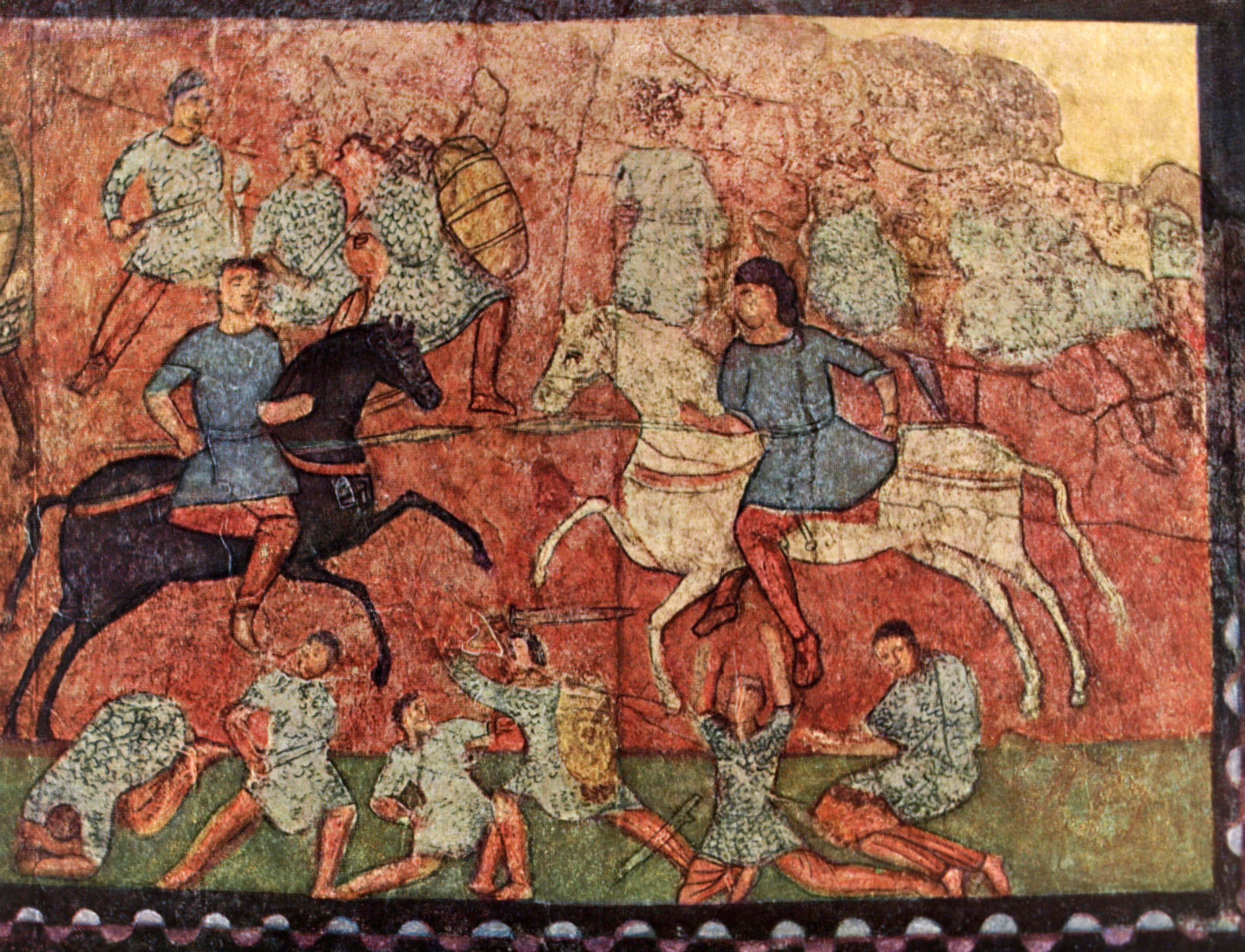
My article is about the inclusion of scenes of violence and warfare in the synagogue paintings. Dura Europos was the site of a Roman garrison and was located between two warring empires, so the Jews who lived there were probably familiar with such sights. Some of them may even have served in the army. Take a look at this bloody scene, the Battle of Eben-Ezer, from the Dura Europos synagogue.

Battle of Eben-Ezer, Dura Europos synagogue

The crux of my argument is this:

One issue regarding the wall paintings that has received little attention, however, is if and how the militarism of Dura-Europos influenced their iconography. Ben Zion Rosenfeld and Rivka Potchebutzky have examined the relationship between the Jewish community and the military garrison at Dura, but they are largely silent on the subject of art in the synagogue. In the surviving paintings, there is only one panel that clearly depicts a scene of war: that of the Battle of Eben-Ezer, described in Book I of Samuel. However, there are numerous images that refer to warfare indirectly, such as those showing men in armor, acts of violence, and scenes of carnage and destruction. The prevalence of such imagery could signify the Durene Jews’ awareness of the danger of living on the border between two powerful empires. They may have witnessed real-life carnage and likely heard tales of battles that took place close to home. They lived in close proximity to the garrison and probably saw soldiers on a daily basis. It is also possible that some of the Jews living in Dura were active participants in the Roman army. Scholars accept that other temples in the city, such as the mithraeum and the Temple of Bel, served the spiritual needs of Roman soldiers. But they rarely ask whether the synagogue could have served a similar purpose.


Want to improve your grades?   Order your copy of The Secrets of Top Students today!

Hey all you teenage girls out there!

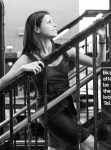
My study tips article “Get smart! Six ways to rock the end of the semester” is in the new issue of Girl’s Life Magazine! This is the first time I was able to walk into a Barnes & Noble and buy something with my name in it – and it’s a pretty cool feeling.

See where it says “Rock Finals!” on the right? That’s me!

In this article, I talk about easy things you can do to get better grades – things like taking naps, snacking during exams (if your teacher lets you, of course), and answering test questions out of order. In case you were wondering, I’ve used all the techniques I wrote about – and I wouldn’t have been a top student without them!

Happy studying, everyone!


Give yourself the gift of great grades.  Order your copy of The Secrets of Top Students today!

Thinking outside the box on education: 4 great books with a fresh new perspective

Some of the books with the most original, thought-provoking ideas about education these days aren’t even on education. They’re on subjects such as sociology, psychology, technology, and self-help, among others, but they challenge what’s going on in schools today. Here are some books that don’t fall into the category of education, but which have a lot to say about the way we learn.

1. Quiet: The Power of Introverts in a World That Can’t Stop Talking, by Susan Cain (Crown, 2012). This book is ammunition against a school system that increasingly views classroom education as an endless stream of group projects. While it’s important for kids to learn teamwork, all too often we forget the importance of solitude, concentration, and deep thought in the learning process. I know that when I was in school, I did my best work alone. As Ms. Cain writes:

What’s so magical about solitude? In many fields, Ericsson told me, it’s only when you’re alone that you can engage in Deliberate Practice, which he has identified as the key to exceptional achievement. When you practice deliberately, you identify the tasks or knowledge that are just out of your reach, strive to upgrade your performance, monitor your progress, and revise accordingly. Practice sessions that fall short of this standard are not only useful – they’re counterproductive. They reinforce existing cognitive mechanisms instead of improving them. Deliberate Practice is best conducted alone for several reasons. It takes intense concentration, and other people can be distracting. It requires deep motivation, often self-generated. But most important, it involves working on the task that’s most challenging to you personally. Only when you’re alone, Ericsson told me, can you “go directly to the part that’s challenging to you. If you want to improve what you’re doing, you have to be the one who generates the move. Imagine a group class – you’re the one generating the move only a small percentage of the time.” [page 81]

Another book about deliberate practice is Talent Is Overrated: What Really Separates World-Class Performers from Everybody Else, by Geoff Colvin (Portfolio Trade, 2010).

2. The Dumbest Generation: How the Digital Age Stupefies Young Americans and Jeopardizes Our Future (Or, Don’t Trust Anyone Under 30), by Mark Bauerlein. (New York: Penguin/Tarcher, 2008). The title says it all. Technology may be causing untold damage to the brains of young people. I’ve written two articles about avoiding the pitfalls of technology in education (see my piece in USA Today and the follow-up post on my blog). In this passage, Mr. Bauerlein paints a disturbing picture of this country’s rising generation of scholars:

Most young Americans possess little of the knowledge that makes for an informed citizen, and too few of them master the skills needed to negotiate an information-heavy, communication-based society and economy. Furthermore, they avoid the resources and media that might enlighten them and boost their talents. An anti-intellectual outlook prevails in their leisure lives, squashing the lessons of school, and instead of producing a knowledgeable and querulous young mind, the youth culture of American society yields an adolescent consumer enmeshed in juvenile matters and secluded from adult realities. [page 16]

There’s a book on a similar topic, The Shallows: What the Internet Is Doing to Our Brains, by Nicholas Carr (W.W. Norton & Company, 2011), which I hope to read soon.

3. Outliers: The Story of Success, by Malcolm Gladwell (New York: Little, Brown and Company, 2008). In addition to talking about the 10,000 hour rule (the theory that it takes at least 10,000 hours of practice for someone to become an expert in something), Mr. Gladwell also discusses why Asian students often outperform their American peers, especially in science and math:

We should be able to predict which countries are best at math simply by looking at which national cultures place the highest emphasis on effort and hard work. So, which places are at the top of both lists? The answer shouldn’t surprise you: Singapore, South Korea, China (Taiwan), Hong Kong, and Japan. What those five have in common, of course, is that they are all cultures shaped by the tradition of wet-rice agriculture and meaningful work. They are the kinds of places where, for hundreds of years, penniless peasants, slaving away at the rice paddies three thousand hours a year, said things to one another like “No one who can rise before dawn three hundred sixty days a year fails to make his family rich.” [pages 247-49]

4. The 4-Hour Workweek, by Timothy Ferriss (Crown Archetype, 2009). This one may be a bit of a surprise. Am I suggesting that you can get great grades by working four hours a week? Not at all. Nor am I encouraging you to outsource your schoolwork to India. But Mr. Ferriss does present some useful advice on how to work more efficiently and effectively, whether you’re a student or an entrepreneur. Here’s an example:

Parkinson’s Law dictates that a task will swell in (perceived) importance and complexity in relation to the time allotted for its completion. It is the magic of the imminent deadline. If I give you 24 hours to complete a project, the time pressure forces you to focus on execution, and you have no choice but to do only the bare essentials. If I give you a week to complete the same task, it’s six days of making a mountain out of a molehill. . . . The end product of the shorter deadline is almost inevitably of equal or higher quality due to greater focus. . . . . There are two synergistic approaches for increasing productivity that are inversions of each other:

  1. Limit tasks to the important to shorten work time (80/20).
  2. Shorten work time to limit tasks to the important (Parkinson’s Law). [page 75]

What are some of your book recommendations?


Give yourself the gift of great grades.  Order your copy of The Secrets of Top Students today!

In Search of Charlotte’s Web

Did you know that E.B. White had a farmhouse in North Brooklin, Maine, which served as the inspiration for Charlotte’s Web as well as many of the articles he wrote for The New Yorker and The Atlantic Monthly? It’s also the focus of my story, “In Search of E.B.,” which appears in the Winter 2012 issue of the Michigan Quarterly Review (available for purchase here and in text form here). It’s about an unexpected adventure my traveling companion and I had while trying to find this still privately owned farmhouse in the middle of the Maine wilderness.

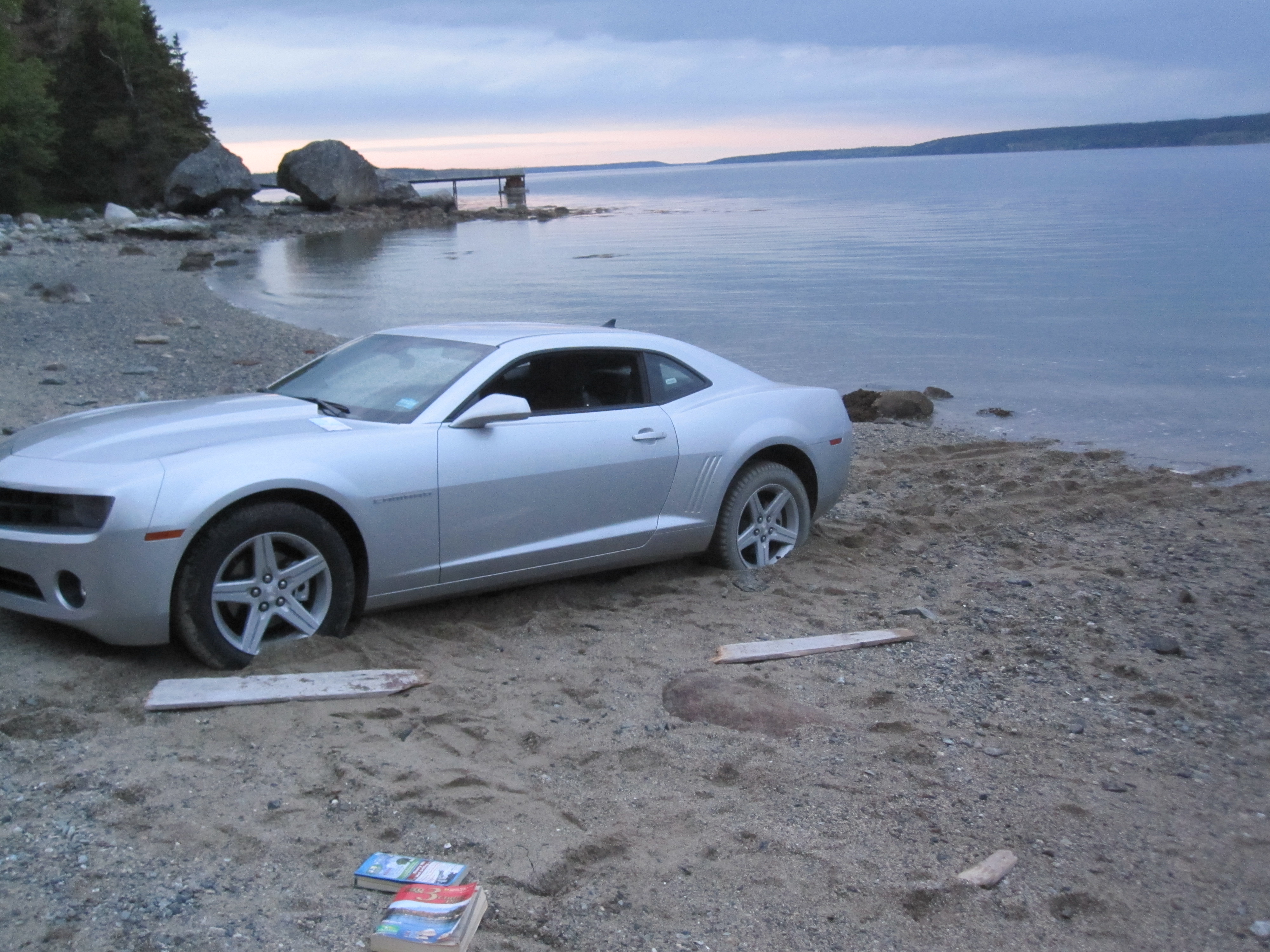
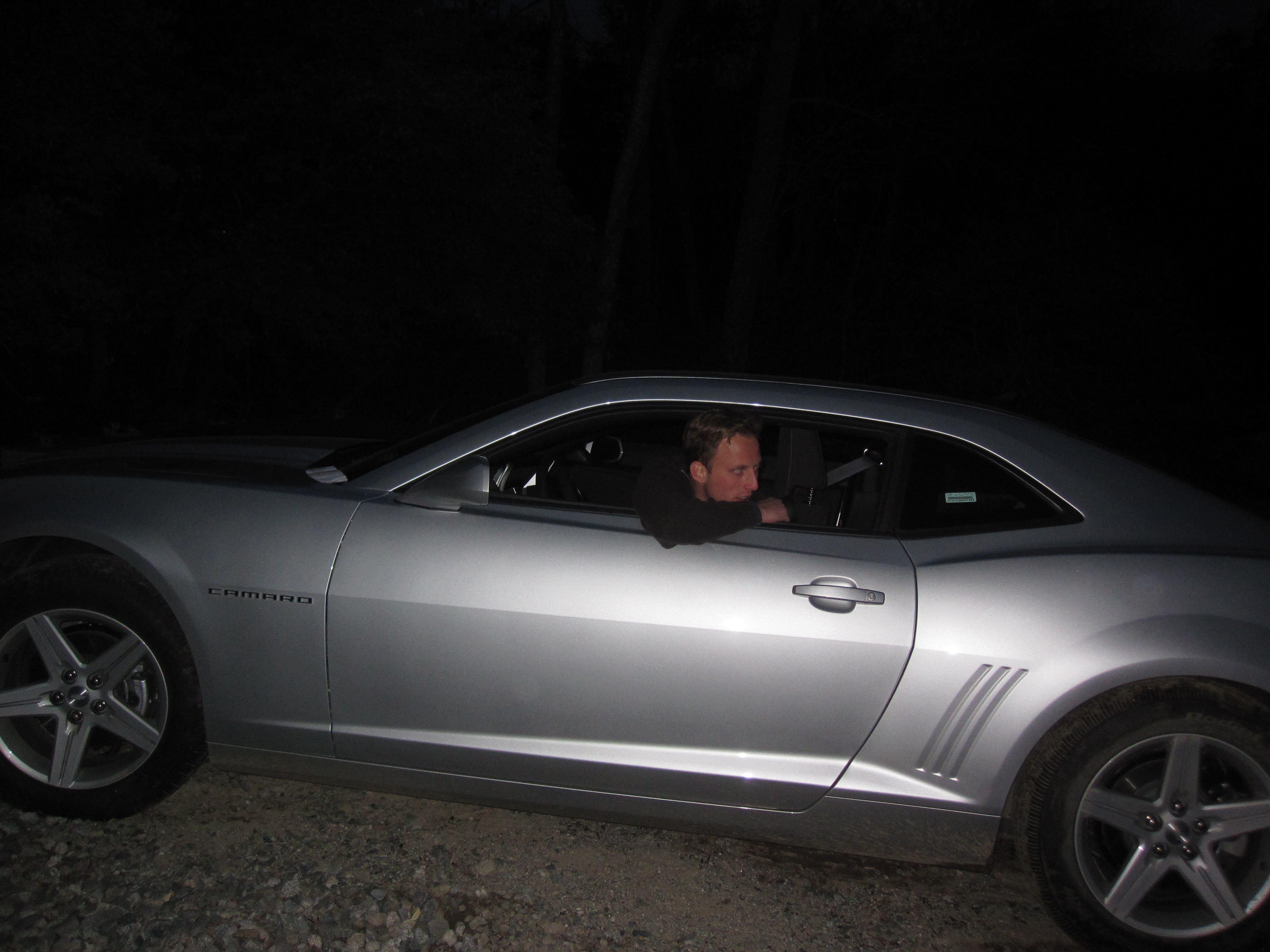
Without giving away too much of the story – I’ll just say it involves a Camaro, an unmarked road, and a rapidly rising tide – here are some pictures from the little trip we took last year.

Our Camaro and the approaching tide


Looking back in disbelief

Pictures from E.B. White’s farmhouse!

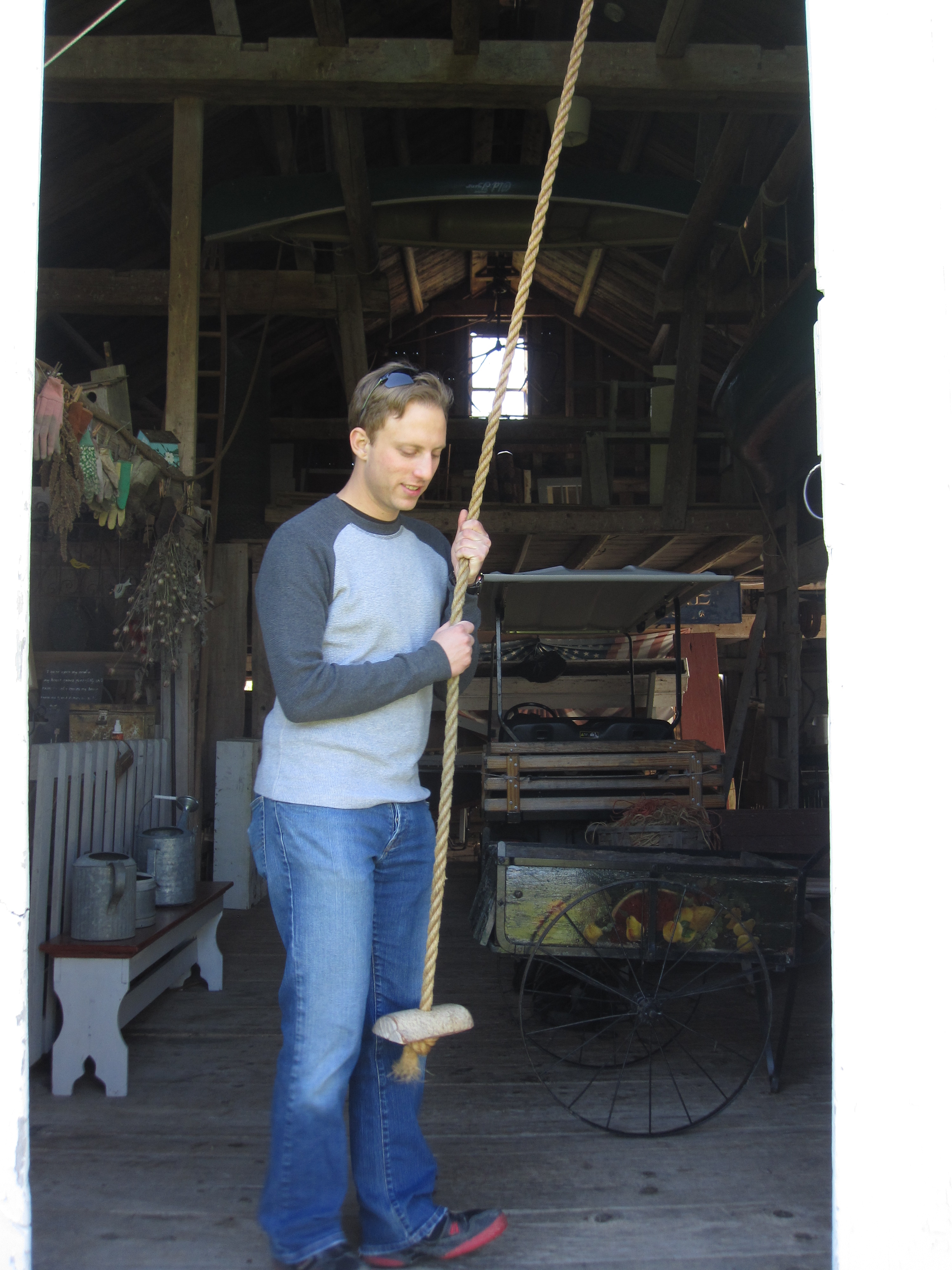
Rob holding E.B. White’s swing


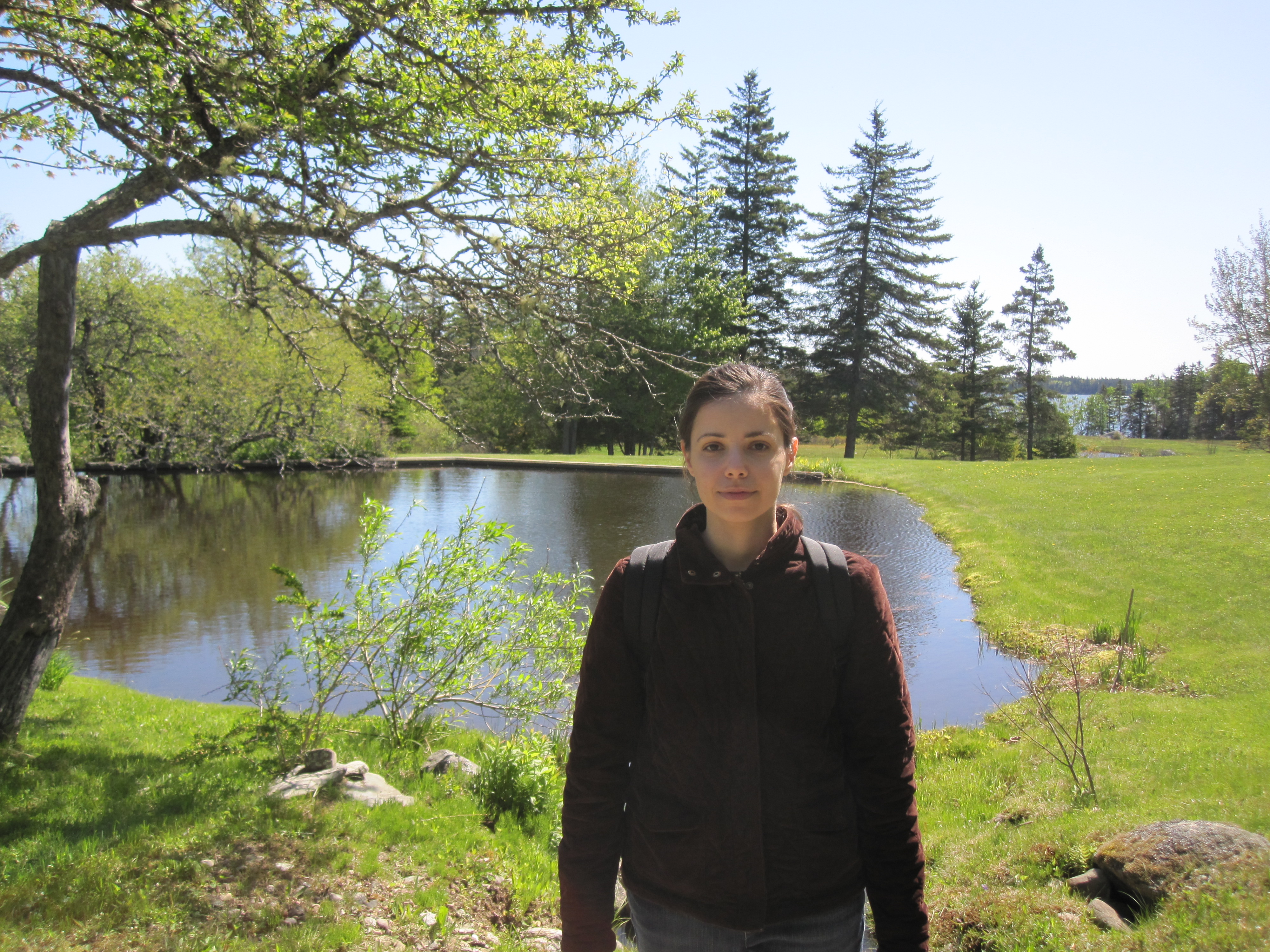
Stefanie Weisman on E.B. White’s farm


E.B. White’s boathouse/ writing cabin


E.B. White’s Maine retreat

On a related note, I’m almost done reading The Story of Charlotte’s Web, by Michael Sims. This brilliantly written book details the forces in White’s life that led him to create his masterpiece. I identify so much with E.B. White – like him, I’m an introvert who loves to write and feels more comfortable around animals than people. I realized, though, that most of my memories of Charlotte’s Web come from the 1973 animated film version and not the book, which I think I read only once. Growing up, I was a much bigger fan of Stuart Little, and recently I’ve developed a great appreciation for his essays. But now I can’t wait to pick up a copy of CW.

“…remember that writing is translation, and the opus to be translated is yourself.” – E.B. White